Is PPD the Only Carcinogen in Hair Dye? Chemical Colorants and Natural Henna
PPD is not the only carcinogen in hair dye. Several chemical colorants are flagged for cancer, skin sensitization and genotoxicity. Where to check the ingredients, and why a 100% natural henna dye is the alternative.

PPD is not the only carcinogen in hair dye. Several chemical colorants — Toluene-2,5-Diamine and the aminophenols among them — have been flagged for carcinogenicity, skin sensitization and genotoxicity. And as far as my own knowledge goes, apart from a 100% natural henna dye it is hard to find an off-the-shelf product that avoids these raw materials entirely. This is a note about that, and about why Water Henna's first blog quietly disappeared.
Why the Blog Vanished
I believe the original Water Henna blog fell out of search largely because of one thing: posts that analysed, product by product and without softening, just how many hazardous substances sit in everything from supermarket dyes to salon "premium" lines.
Every time I passed an Olive Young or a department store, I read the ingredient lists on the shelf and cross-checked them against Korea's chemical-substances law and EU regulations, writing it all up with real care. The traffic was explosive — and so, it turned out, was the speed at which the blog was buried, caught in what Korea calls a "low-quality blog" penalty.
I deleted the specific product reviews in a panic, but it changed nothing. Even searching "Water Henna" returned unrelated travel blogs first, with my posts limping in on the last page. For a year I checked penalty-status sites daily and took hollow comfort in others' escape stories. The official blog never recovered.
So I let it go. I am calm about it now, but at the time — posting once a day in what my son calls an "excessively, artificially cheerful voice" — the penalty landed hard.
Which Is Why I Will Not Name Products Here
For that reason, I will not spell out here which dye contains which carcinogen, sensitizer or genotoxic agent. If the large players would rather I did not, a small merchant may as well keep her complaints small.
I will only point the way. If you are curious about carcinogens beyond PPD, Korea's Ministry of Food and Drug Safety (MFDS) website is a place to start. Failing that, look up the cosmetics and chemical-substances statutes; the National Law Information Center lays out regulated substances for hair dye across several pages, from banned materials to permitted limits.
Why Is PPD Still Allowed?
Read the EU SCCS (Scientific Committee on Consumer Safety) materials and you find PPD flagged for carcinogenicity, yet the conclusion is framed as "at around 2% in a dye, the cancer risk may not be clear-cut." That framing still serves, worldwide, as the basis for permitting PPD.
Korea, too, is said to be tightening chemical-colorant rules for hair dye from 2025, prompted by henna side effects and the genotoxicity of certain ingredients. But it will not go so far as to ban the small, roughly 2% use of colorants like PPD. In the end, the reader is left to check ingredients and take care on her own.
So What Is the Safe Choice?
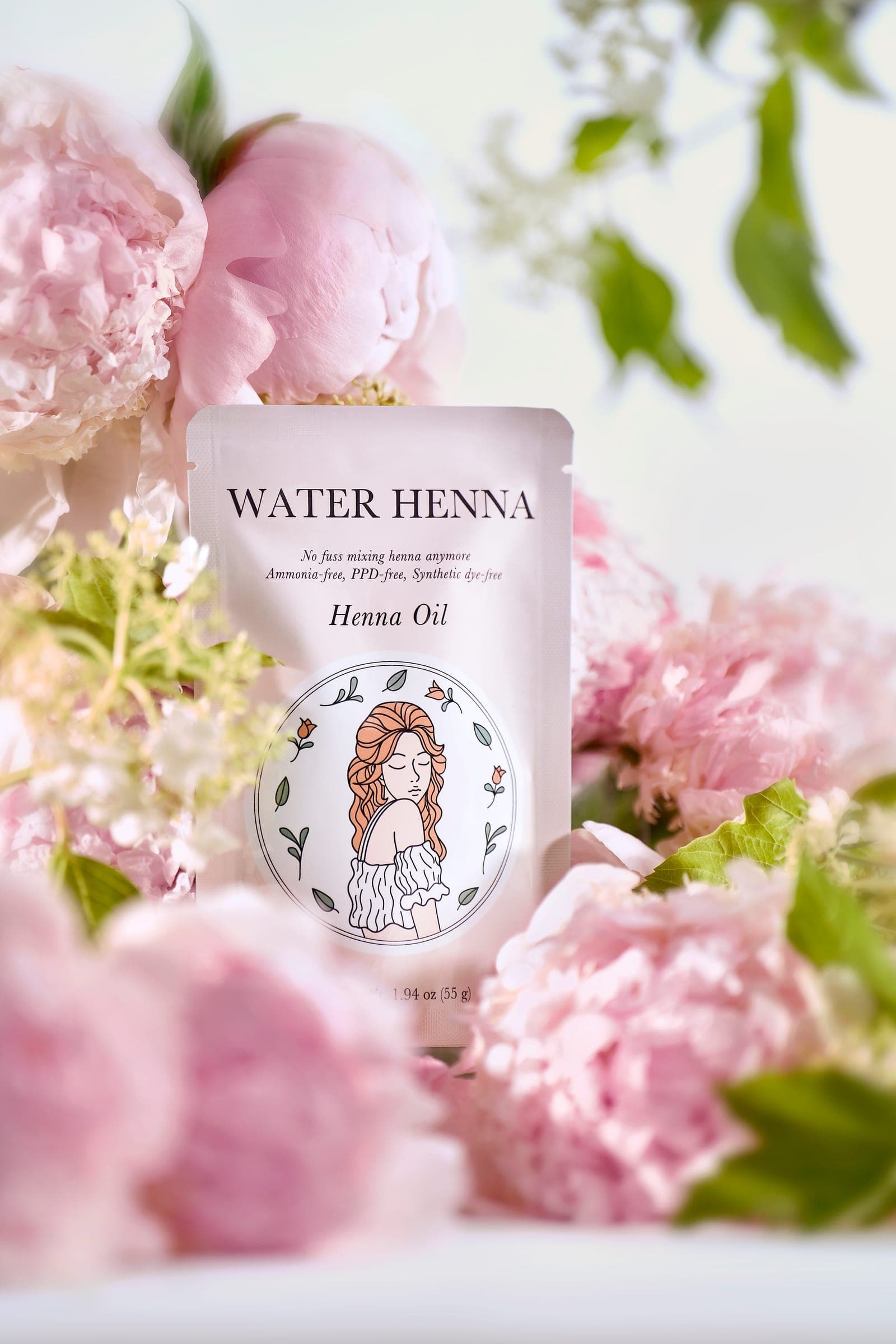
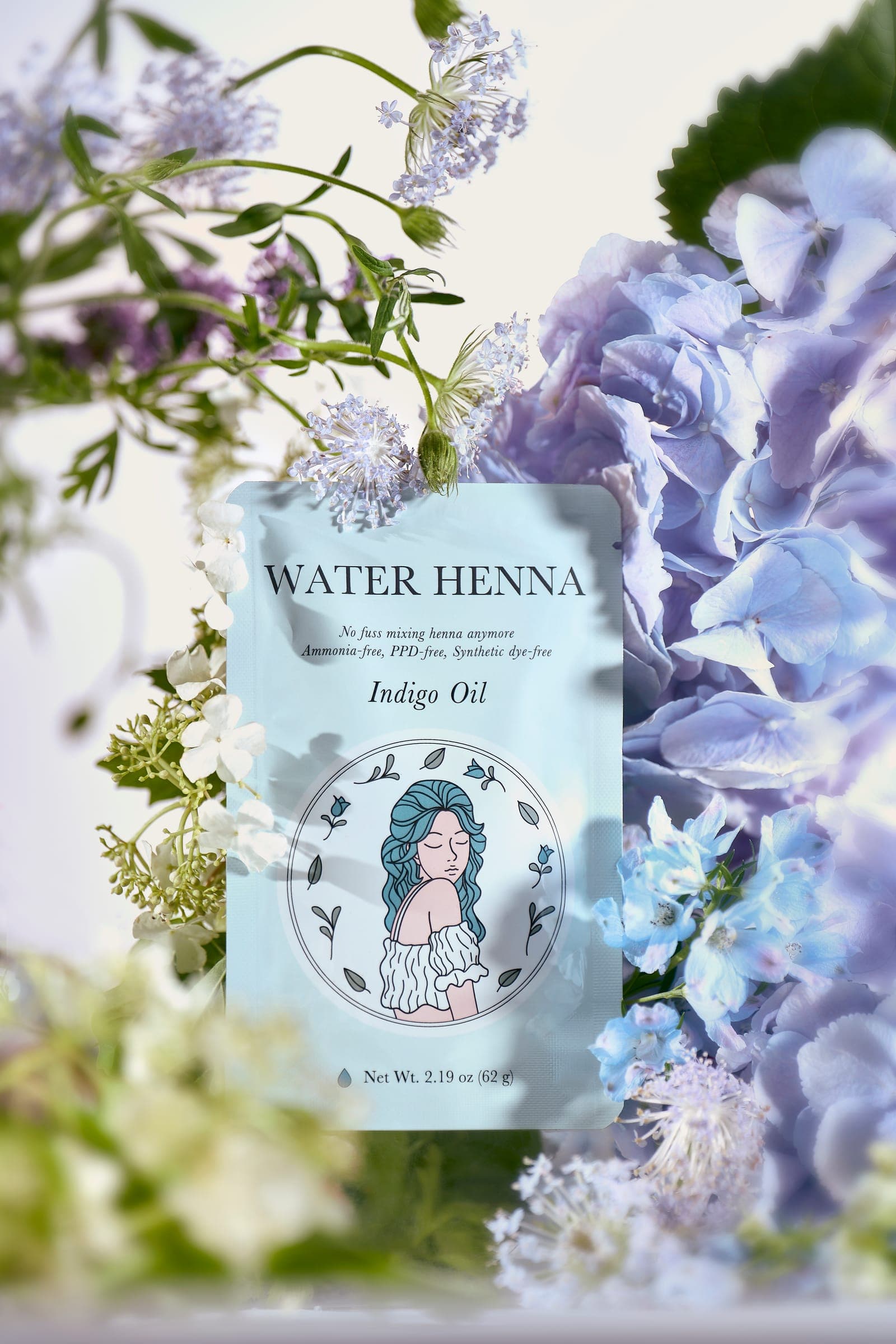
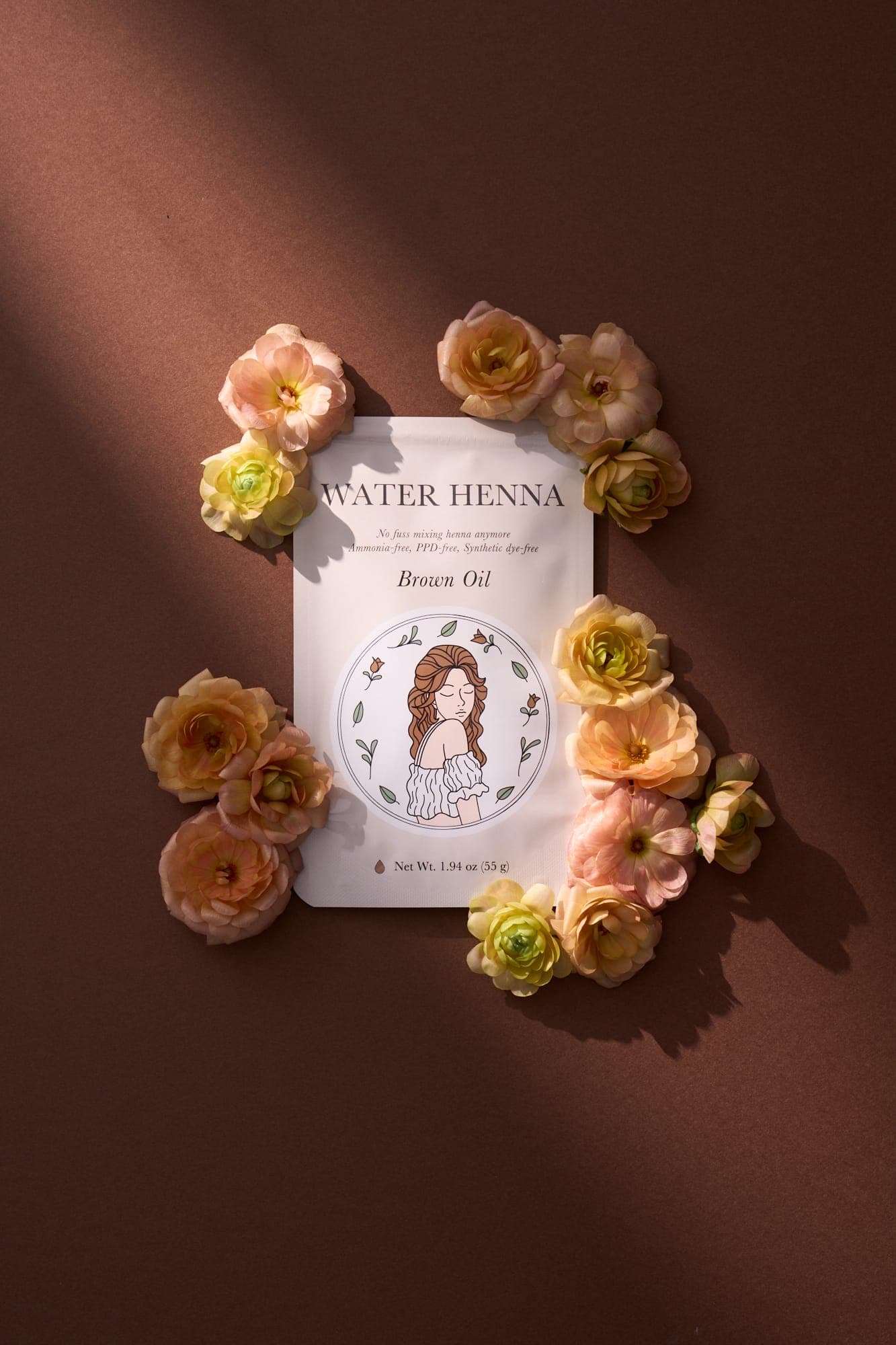
A dye made only from materials you can use without worrying about cancer, sensitization or genotoxicity is, as far as I know, a 100% natural henna dye and nothing else. That is exactly why Water Henna holds to zero chemical colorants and 100% natural pigment. Products differ, so do research your own — but even the simple habit of choosing a product whose ingredient list is short and free of chemical colorants is a sound place to begin. Water Henna's full list of eleven ingredients is published in the open, if you would like to compare.
Read next
- Is PPD-Free Hair Dye Actually Safe? How to Find a Truly Natural Henna DyeIngredients & Safety · 4 min read
- Water Henna's Full Ingredients — Just 11, Fewer Than Ice CreamIngredients & Safety · 2 min read
- Hair Dye During Pregnancy — What to Know About Natural HennaIngredients & Safety · 4 min read
- Can Water Henna Form Benzene? A Customer's Question, Fully CheckedIngredients & Safety · 3 min read