Hair Dye During Pregnancy — What to Know About Natural Henna
Dyeing during pregnancy or breastfeeding should always be discussed with your doctor. Dark dyes with chemicals like PPD have shown concerning results in animal studies. Here is what to know before choosing a natural henna dye.

First, the most important thing. If you are pregnant or breastfeeding and thinking about colouring your hair, please talk it through with your doctor first — whatever product you have in mind. This is not medical advice; it is one person's experience and reading, on why chemical colorants are worth worrying about and what to keep in mind if you choose a natural henna dye.
Why I Held Off on Dyeing During Pregnancy
Throughout pregnancy and nursing, I did not dye my hair at all. I had heard it was bad, but since no one ever explained why, I simply endured it. Then, once my child passed her first birthday and I had finished breastfeeding, I happily dyed my hair a light brown — and, since I had plenty of stubborn greys even in my twenties, cut it short while I was at it.
But an itch I had never felt before set in. More than a year after giving birth, the scalp below my nape itched and wept enough to scab over. At the time I blamed sleeping with wet hair; looking back, the dye was simply harsh. My hair grew brittle, too, and with each colouring the itching and splitting only worsened.
Why Chemical Colorants Are a Particular Worry in Pregnancy
More than a decade on, I understand that the weeping skin and damaged hair came from the oxidiser and chemical colorants. Dark dyes containing PPD or m-phenylenediamine have shown concerning results in the animal studies the EU cites, and OECD-standard materials include data touching on genotoxicity and effects on the fetus. Hundreds of pages flag problems with chemical colorants, yet — perhaps under the weight of cosmetic advertising — it rarely becomes a headline.
The same reports, however, tend to close on a hazy note — that "capping the hazardous substance at around 2% may leave cancer risk unclear" — and so dyes containing those substances stay on sale. Korea largely mirrors the European rules, but the tightening only begins in 2025, so shelves still carry dyes full of these ingredients.
To My Past Self, and to Expecting Mothers Now
So I would like to pat my past self on the shoulder: holding off on ordinary dye through pregnancy and nursing, for my child's safety, was the right call. And since the body stays weakened for a while after birth, I would gently suggest avoiding ordinary dye for some time yet.
If an expecting mother truly wishes to dye, I would still say hold off where you can — and if you do, read the full ingredient list and choose only products free of chemical colorants. And again: the timing and the method must be decided together with your doctor.
So Is Water Henna Safe During Pregnancy?
Honestly, calling a product "a hair dye that is safe for pregnant women" is a claim that requires advertising review, so I will not assert it. I will only give you the facts.
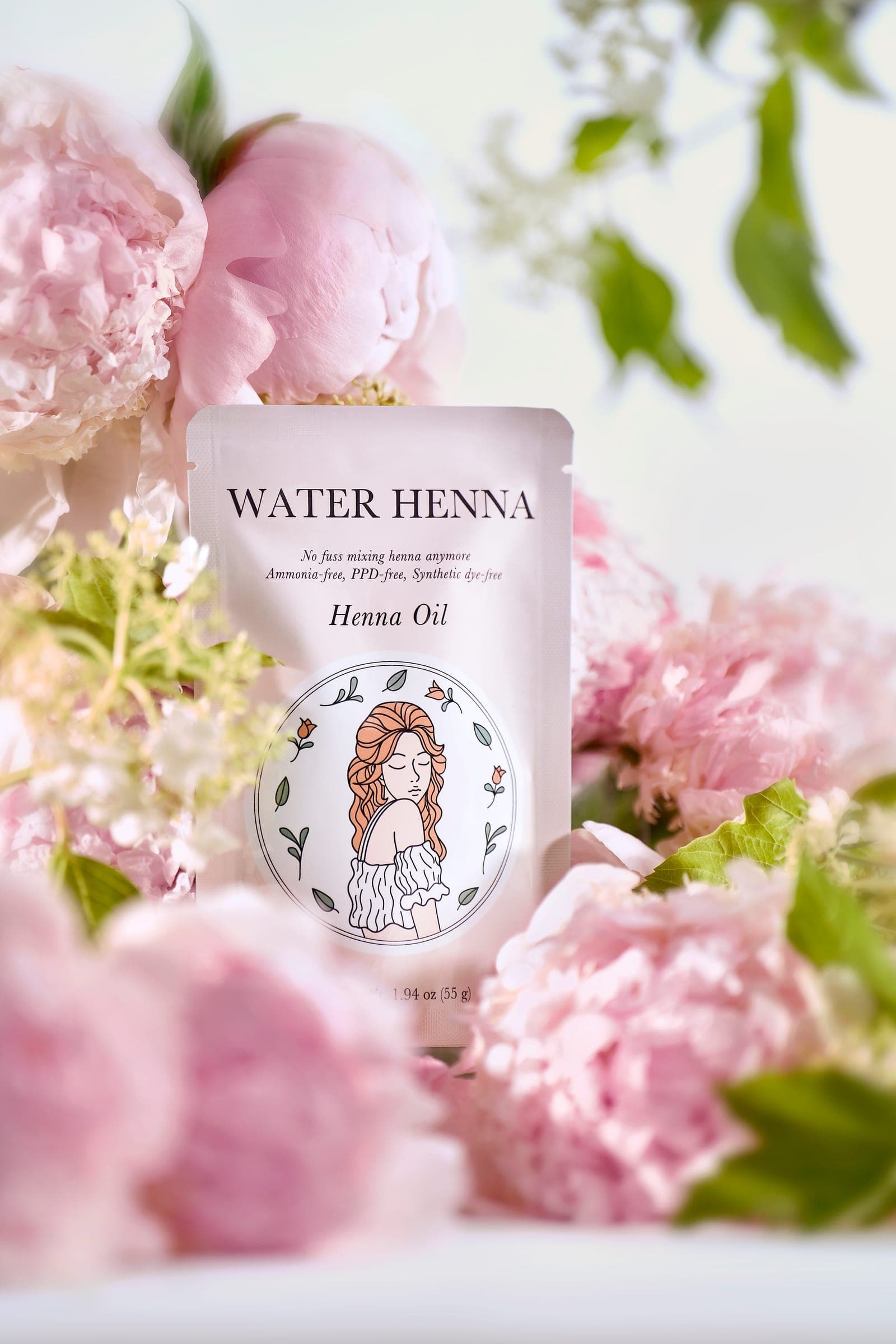
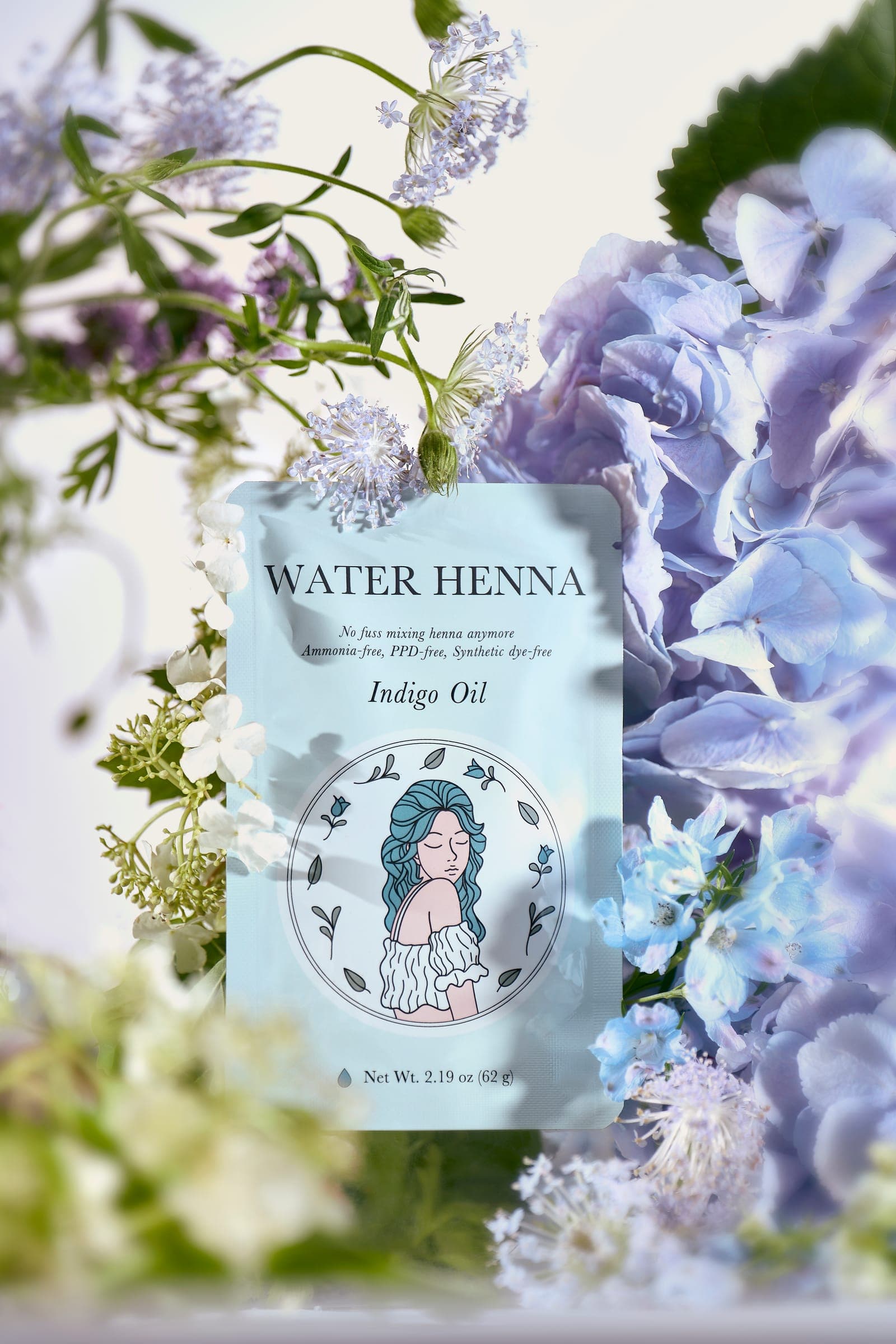
Water Henna comes in a sky-blue indigo and a pink henna, both using 100% natural pigments. Indigo (Indigofera powder) shows no issues across most test categories in European data, with no reported fetal effects even at high oral doses. Henna's lawsone pigment occurs naturally at around 1–2%; reports on ingesting it extracted to 99.9% are still scarce, so rather than a clean bill it is summarised as "ordinary henna powder at 1–2% is likely harmless." Ordinary dyes with PPD, by contrast, show serious fetal effects in the animal studies the EU cites. So if one must compare, natural henna is plainly the lesser worry than a chemical dye — though here, too, the final decision belongs with your doctor.
Read next
- Can Water Henna Form Benzene? A Customer's Question, Fully CheckedIngredients & Safety · 3 min read
- Is PPD-Free Hair Dye Actually Safe? How to Find a Truly Natural Henna DyeIngredients & Safety · 4 min read
- Water Henna's Full Ingredients — Just 11, Fewer Than Ice CreamIngredients & Safety · 2 min read
- Is PPD the Only Carcinogen in Hair Dye? Chemical Colorants and Natural HennaIngredients & Safety · 3 min read