Henna Hair Dye for Women Over 50 — A Gentler Alternative for Sensitive Scalps
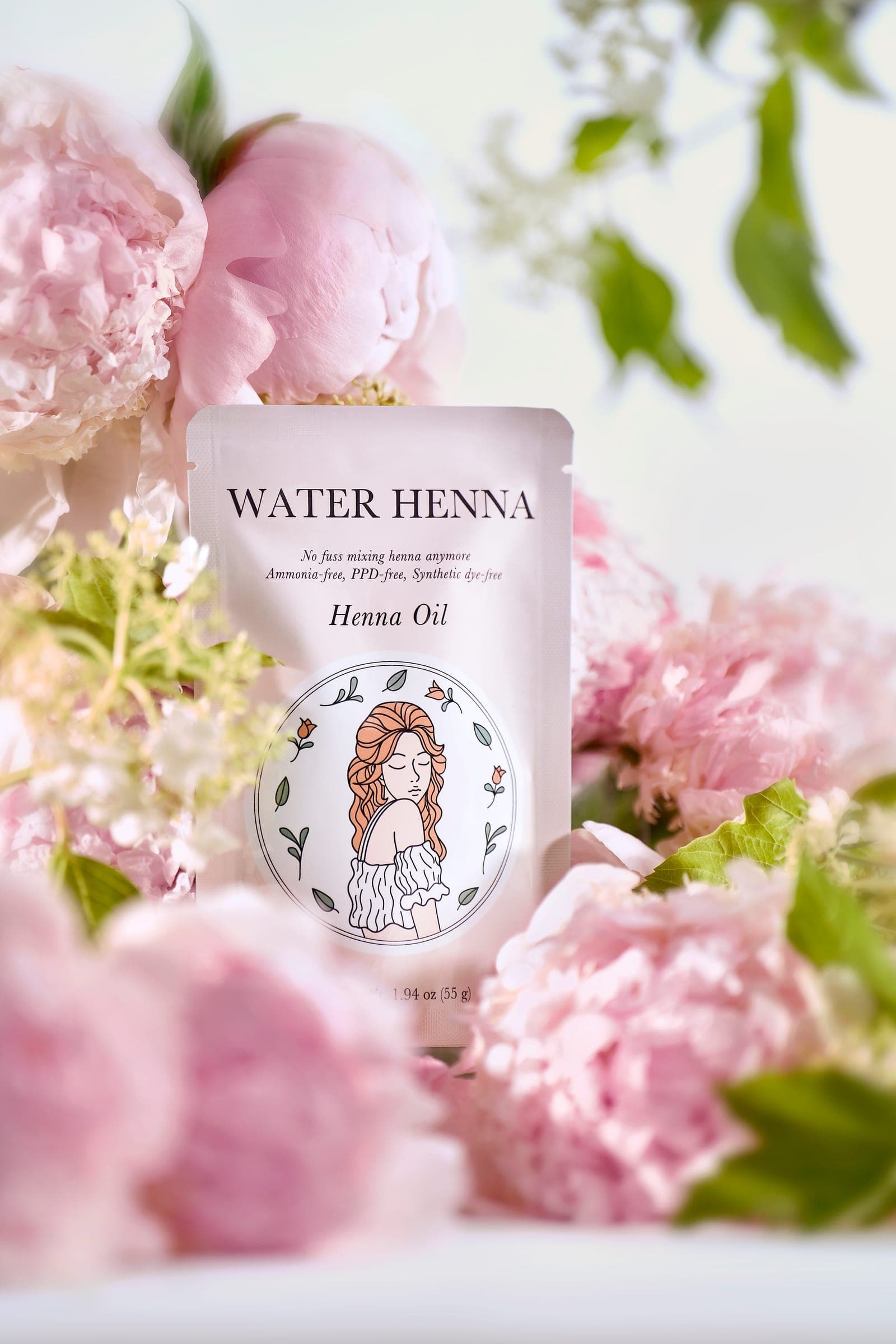
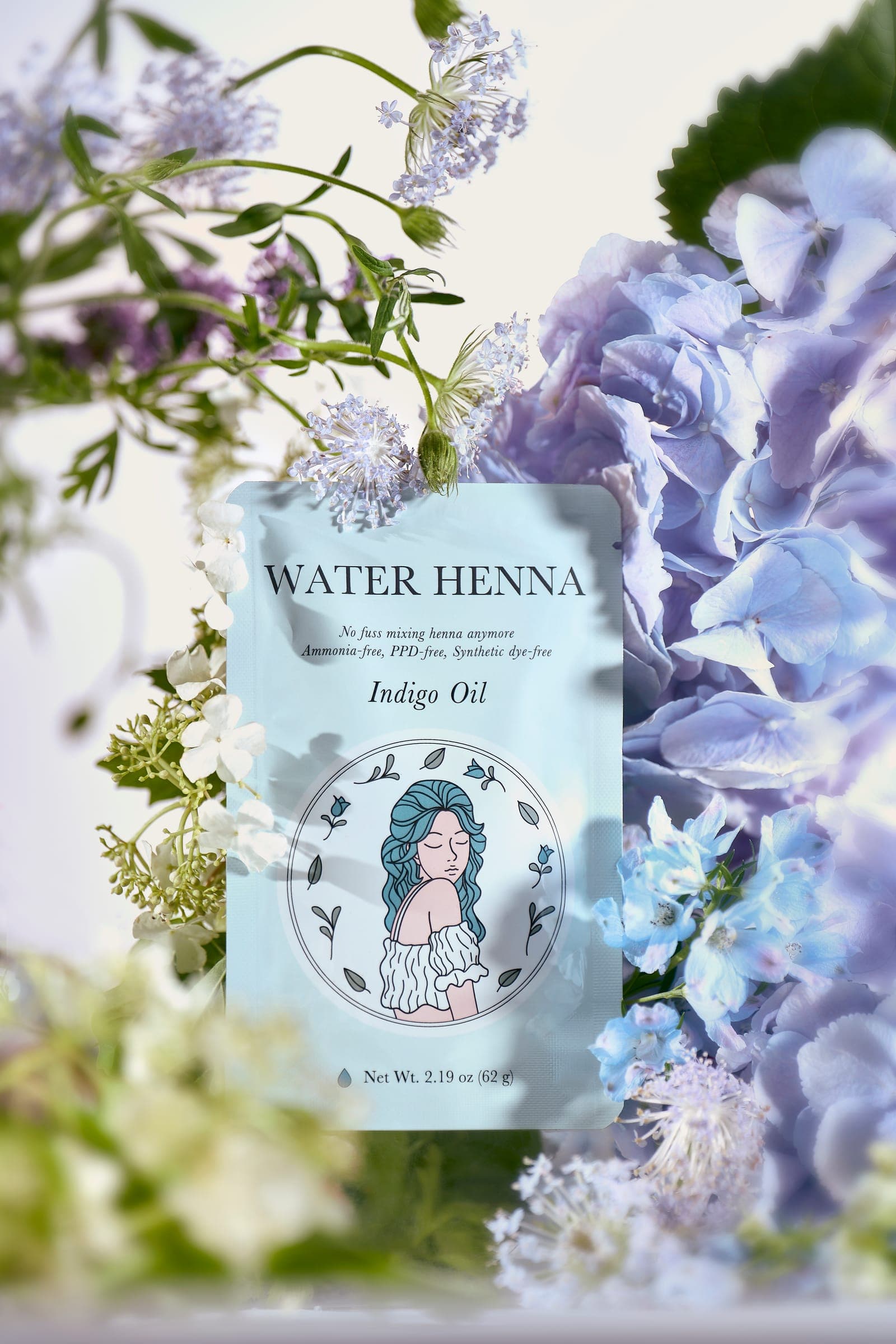
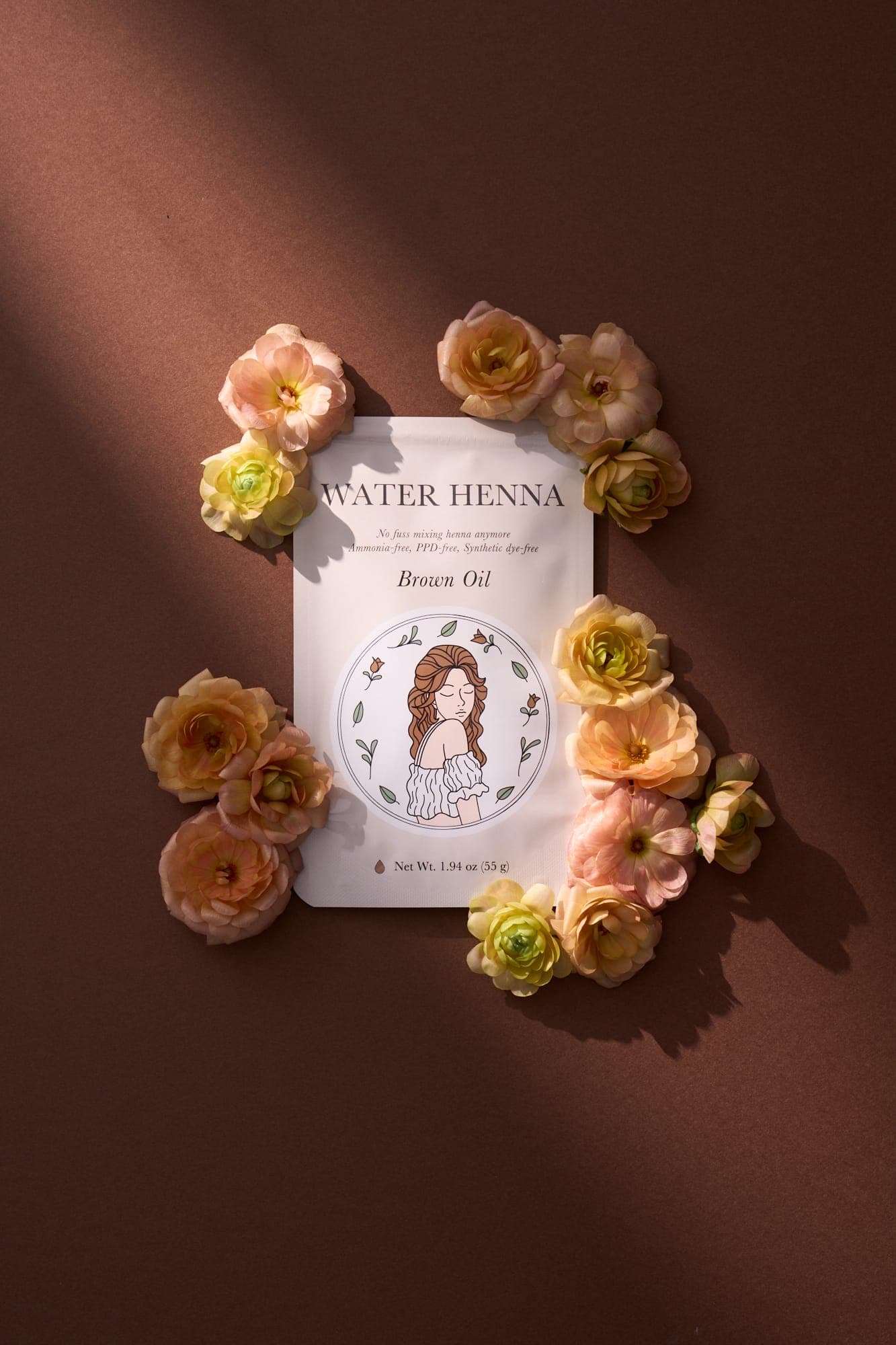
Indigo alone dyes grey hair blue; for brown or a deep chestnut, dye with henna first and then add indigo. For those over 50 whose sensitive scalp struggles with ordinary dye, here is a chemical-free natural henna option.

One day a call came in from a number I did not know — a customer in her fifties who had bought only Water Henna Indigo and, seeing "dyes blue" in the instructions, phoned in alarm. That conversation captures well why dyeing after fifty is a slightly different story.
"Does It Really Dye Blue?"
Indigo — a natural dye made from Indigofera powder — turns grey hair blue, which is why it is usually used to tone down henna's orange. Some people use indigo alone, since its indirubin is noted in research for anti-inflammatory properties, but few want to walk around with blue hair, so she had called in a fluster.
So I explained: for brown or a deep chestnut, dye with henna first and then add indigo. Done that way, natural pigments alone can reach anything from brown to near-black, with no chemical colorant. Since it was her first time, I gently offered to send the henna for just the price difference — and without a moment's hesitation, she happily agreed.
Twenty Minutes of Talk
I thought she would hang up, but for nearly twenty minutes she told me how hard ordinary dyes had been on her. Her scalp had festered; she had needed medication for a scalp allergy; and the hair that was soft in her youth had thinned and shed until its sparseness weighed on her. I nodded along and talked with her a good while. When I said most Water Henna customers have sensitive scalps and similar stories, she smiled shyly and said that if this worked, she would use only Water Henna from now on.
One thing I made sure to add: gentle as henna is, it is best to wait for any festering or scratched skin to heal before using it.
Why Look to Natural Dye After Fifty?
Looking back, Water Henna customers range from their forties to well past sixty, but those who call are mostly late fifties to mid sixties. That age seems to carry the most concern about health, and to search hardest for a safe, natural dye — steady health care, worries about cancer, an itchy scalp and allergies all grow heavier with the years.
I hope Water Henna can long be a healthy alternative for them. How the colours are made is laid out in the henna and indigo colour guide, well worth a read if it is your first time.
Read next
- Why Does Gray Hair Surge in Menopause? Hair Changes ExplainedHenna Stories · 4 min read
- How to Choose a Henna Hair Dye — A Practical Buyer's GuideHow To · 4 min read
- How to Cover Grey with Henna — A Beginner's Guide to Water Henna BrownColor · 4 min read
- The Easiest Water Henna Guide You'll Ever ReadHow To · 5 min read